 Image 1 of 20
 Image 2 of 20
 Image 3 of 20
 Image 4 of 20
 Image 5 of 20
 Image 6 of 20
 Image 7 of 20
 Image 8 of 20
 Image 9 of 20
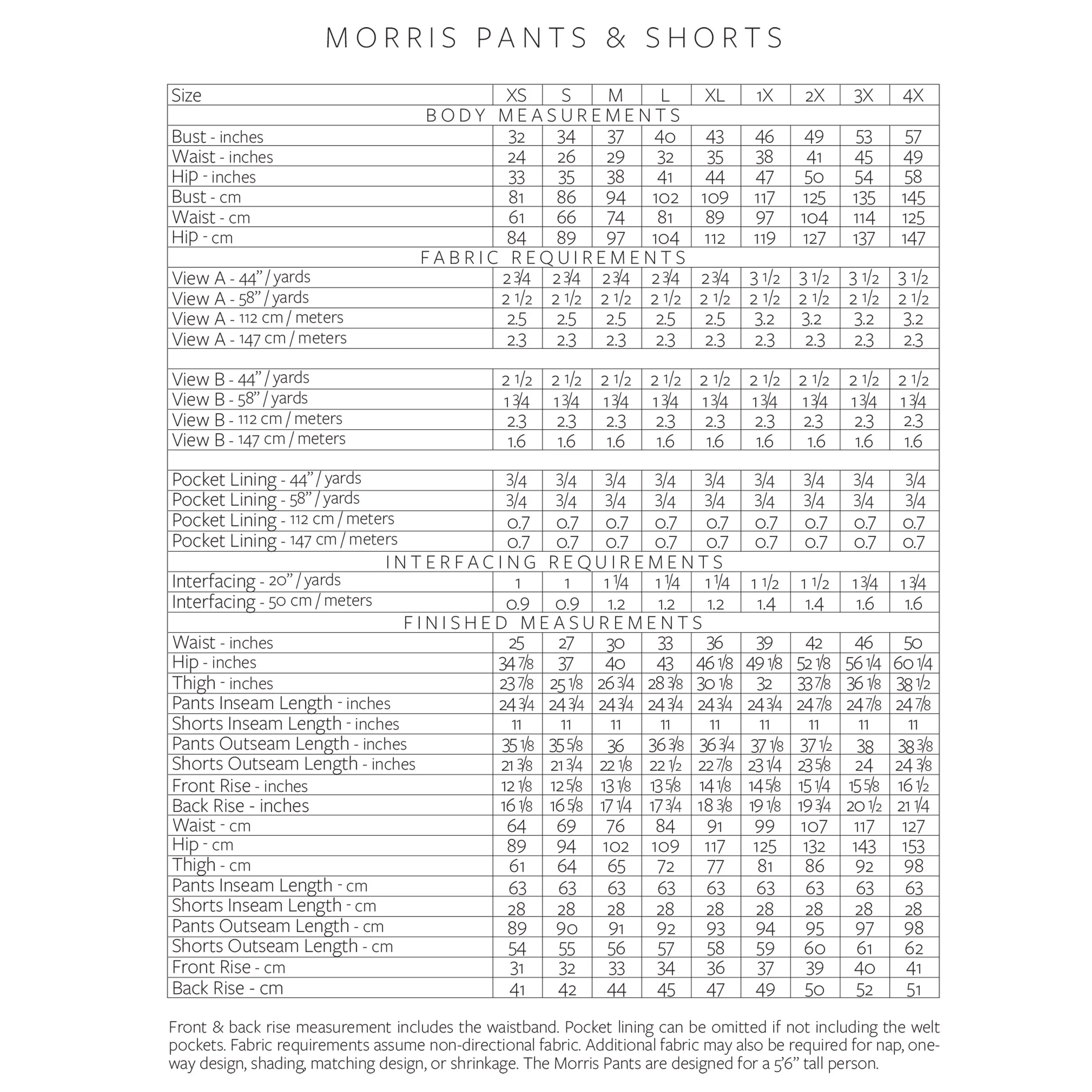 Image 10 of 20
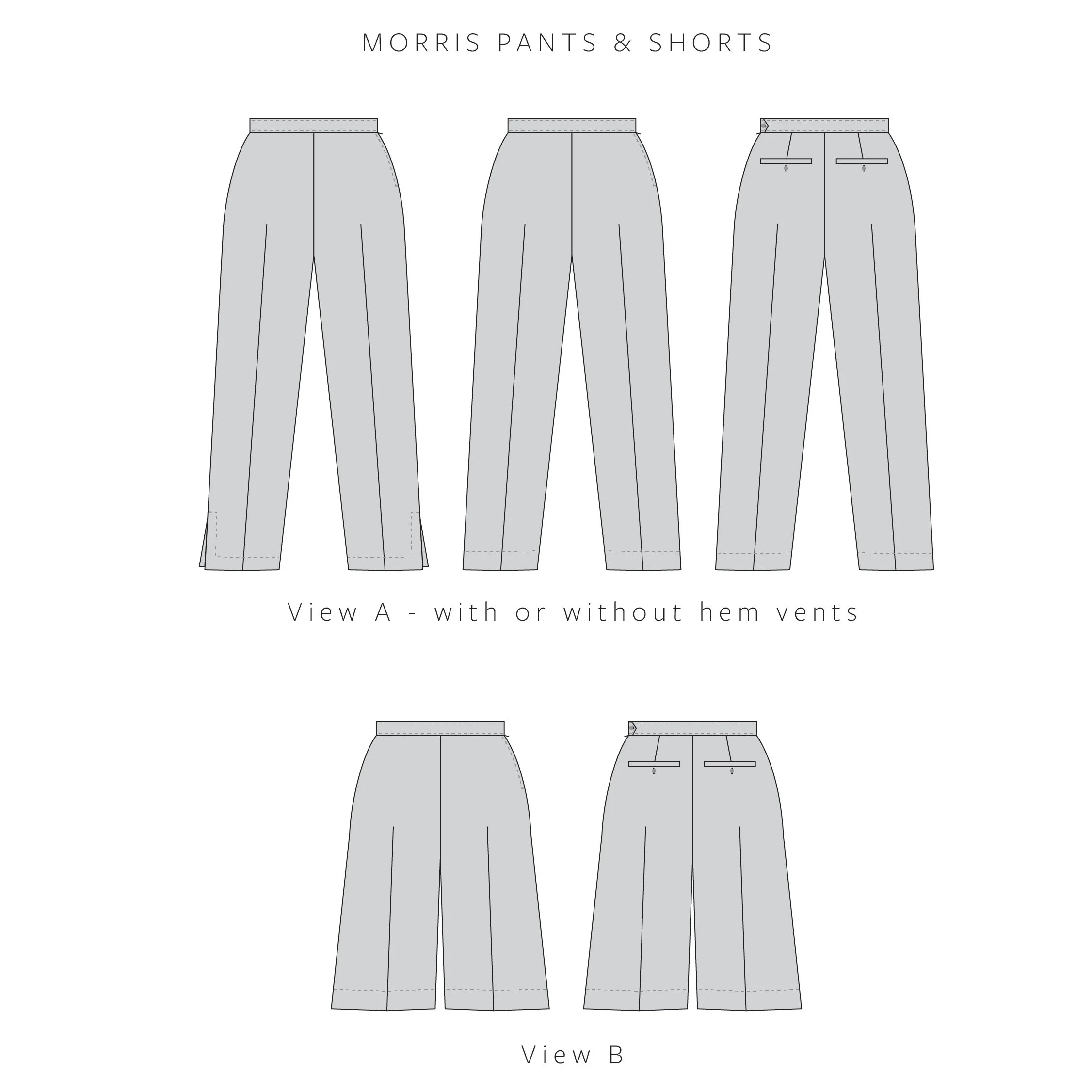 Image 11 of 20
 Image 12 of 20
 Image 13 of 20
 Image 14 of 20
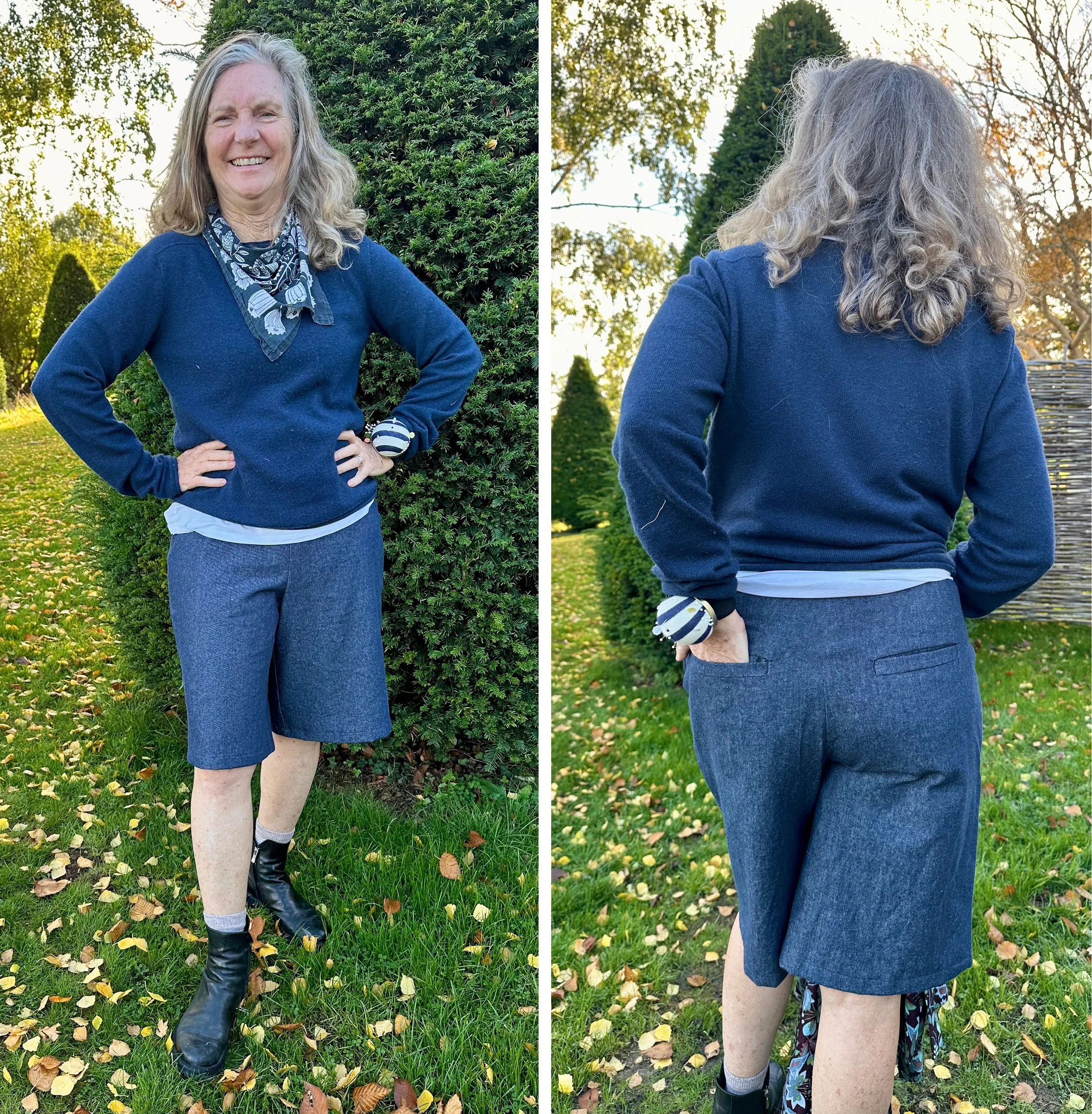 Image 15 of 20
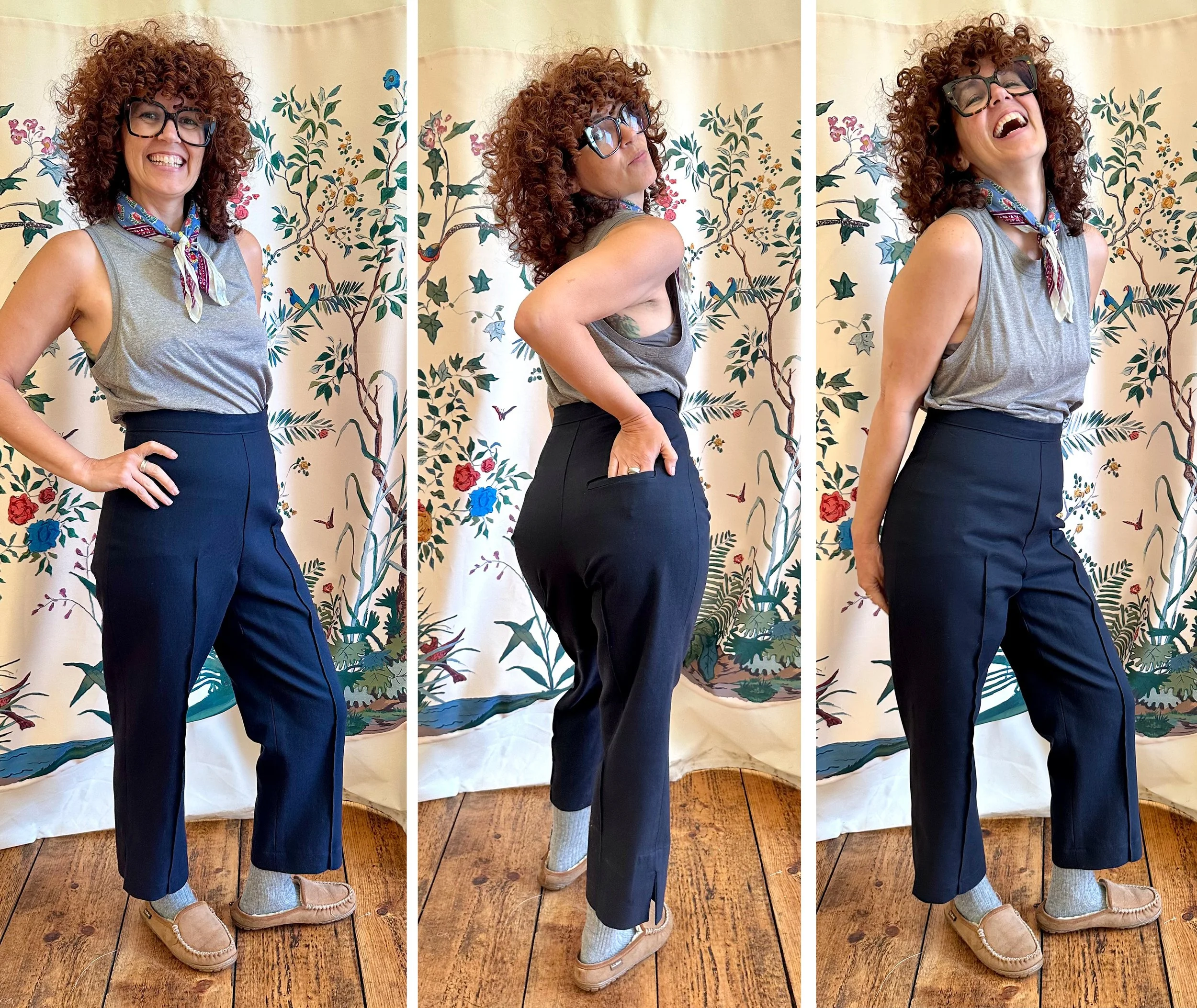 Image 16 of 20
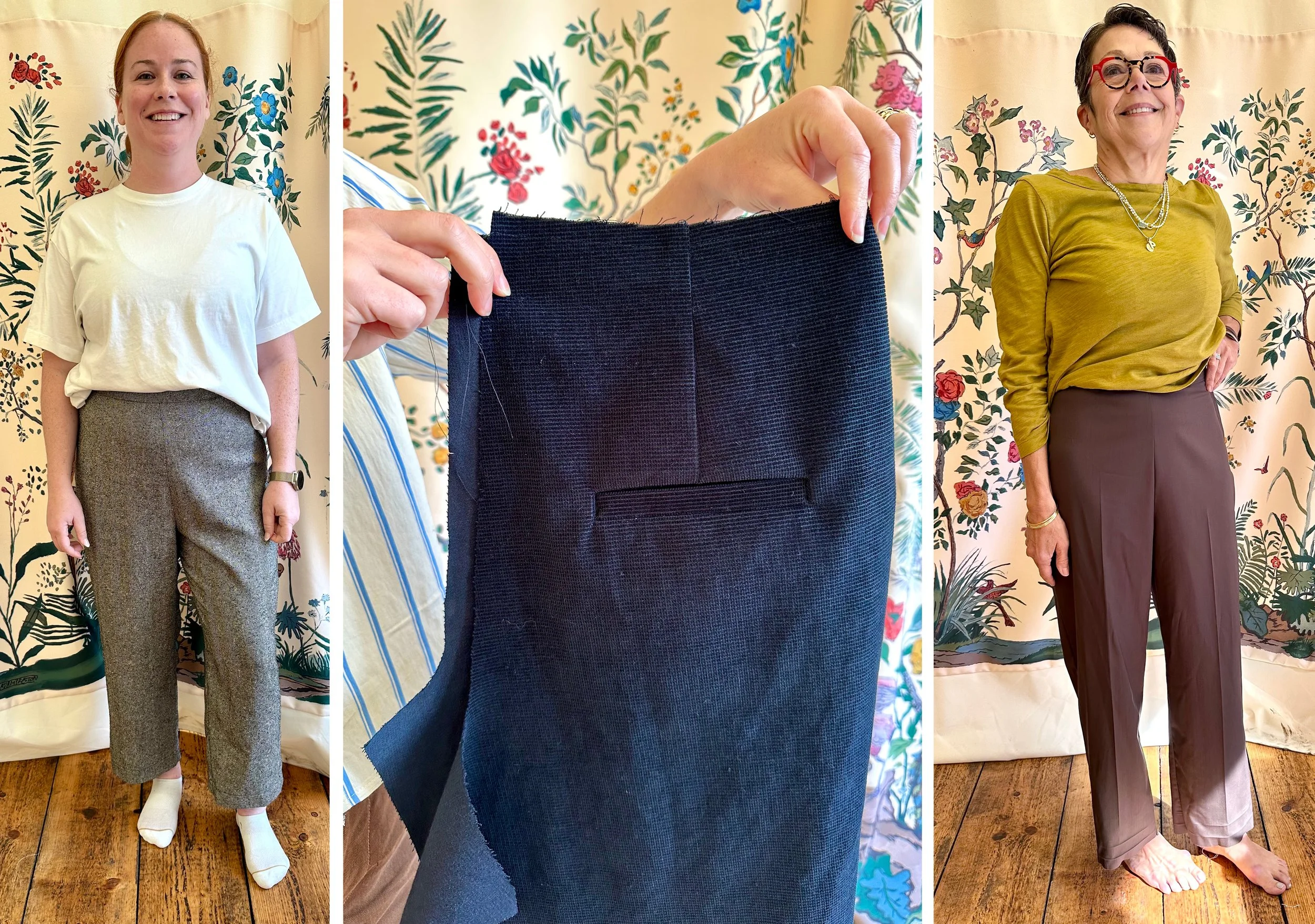 Image 17 of 20
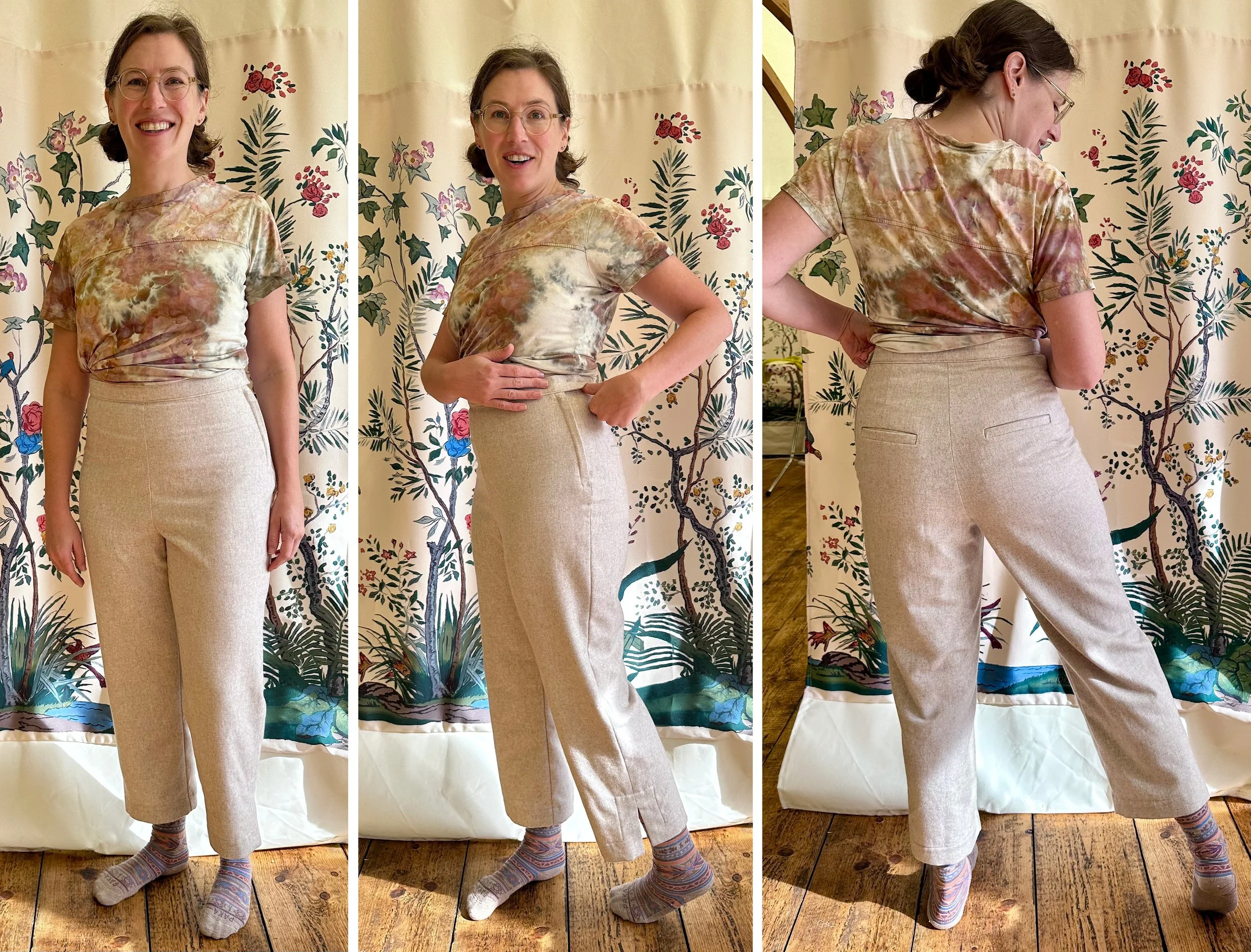 Image 18 of 20
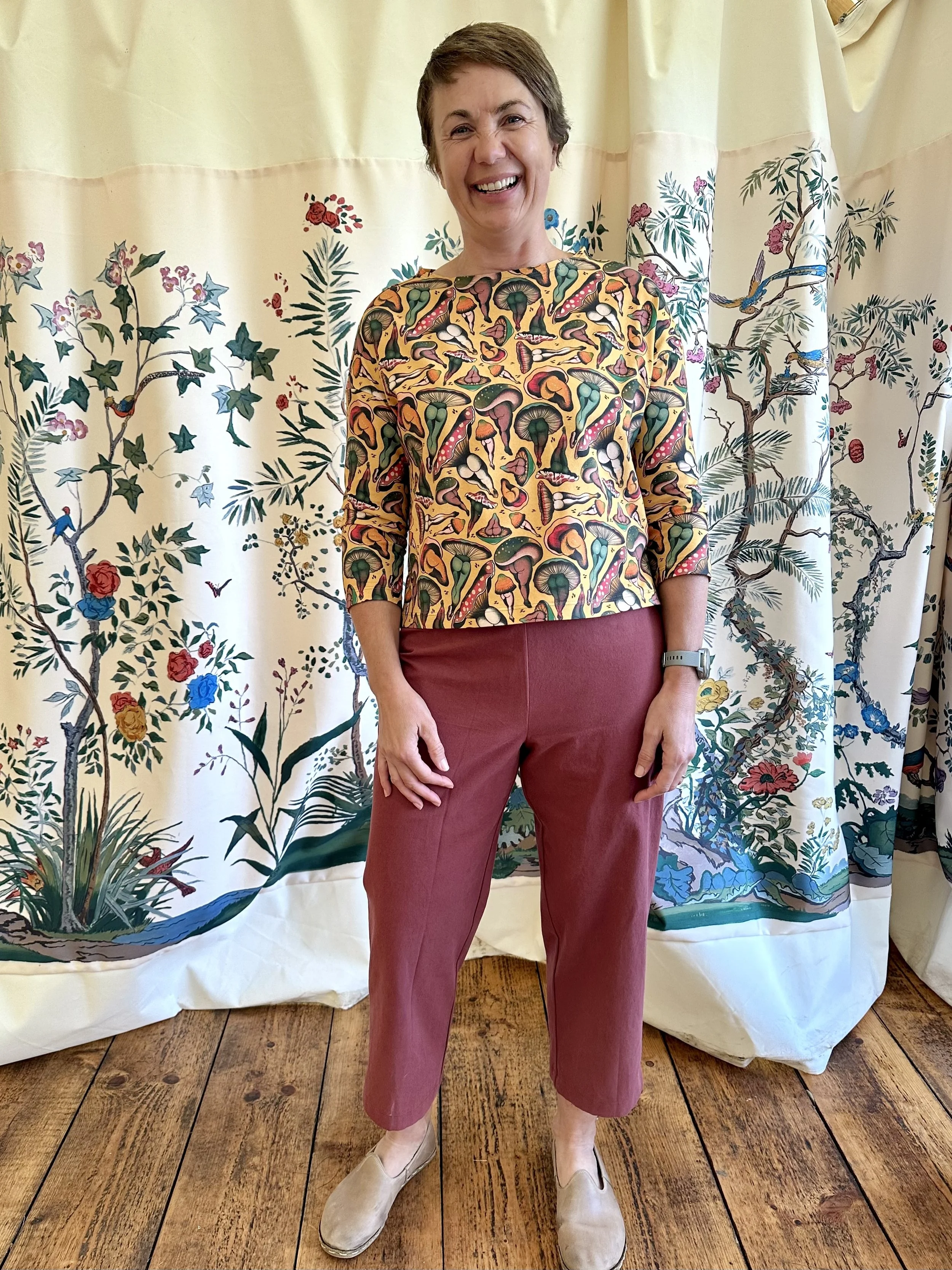 Image 19 of 20
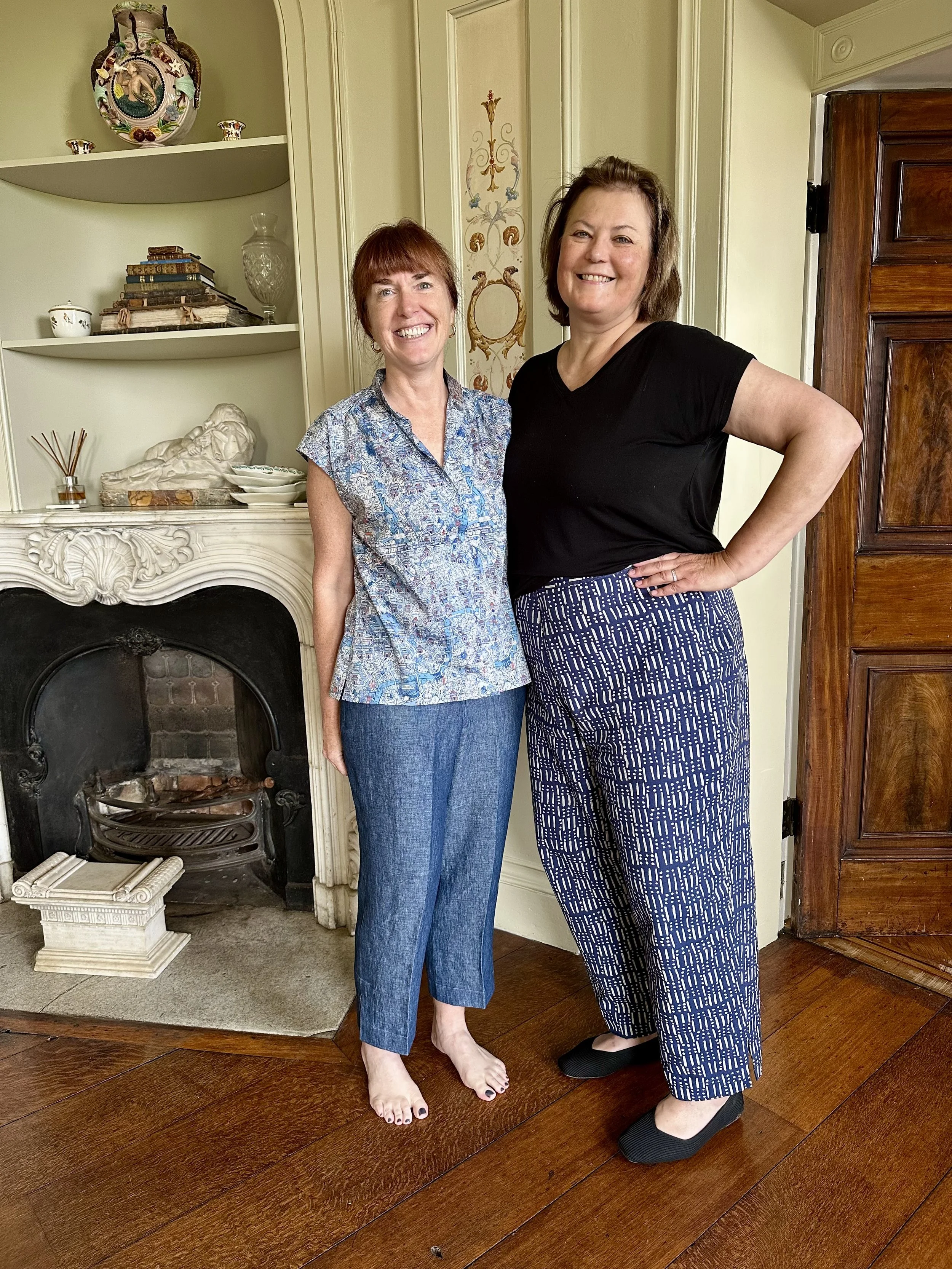 Image 20 of 20
WORKSHOP DATES:
Tuesday, Feb 24, from 6:30-7:30pm Eastern - Prep class
Tuesday, March 3, from 6:30-8:30pm Eastern - Construction class 1
Tuesday, March 10, from 6:30-8:30pm Eastern - Construction class 2
Tuesday, March 17, from 6:30-8:30pm Eastern - Construction class 3
Tuesday, March 24, from 6:30-8:30pm Eastern - Construction class 4
Tuesday, March 31, from 6:30-8:30pm Eastern - Construction class 5
SUPPLY LIST:
The Morris Pants pattern (bust 32-57”) by Christine Haynes Patterns (me!).
1 3/4 - 3 1/2 yards of medium & bottom weight non-stretch woven fabrics. Required yardage depends on the size being sewn, the view chosen, & the width of your fabric. Ideal fabrics are linen, twill, lightweight canvas, wool, baby wale corduroy, & light to medium weight denim are good options. If you select wool, keep in mind that these are not lined. Lighter fabrics like medium weight crisp shirting & yarn dyed cottons also work well, but will have less structure.
Also note: pants rarely fit perfectly out of the envelope, so if you’d like to use muslin, that is always a smart idea! This will allow you to focus on the techniques, then use the test version to solve any fitting issues for your “real” pair.
3/4 yard of lining fabric for the welt pocket bag. A lightweight lining fabric is ideal, like bemberg rayon, polyester, silk, or cotton lawn. You want to minimize bulk as much as possible for the pockets.
1 - 1 3/4 yard of lightweight woven fusible interfacing
Thread
One 10” or longer regular coil non-separating zipper. We suggest a #3 size zipper, as it has a smaller zipper pull. Please note: the zipper is intentionally too long & will be trimmed in the construction process.
Three 1/2” flat buttons
One trouser hook & eye set
TOOL LIST:
Sewing machine with straight stitches & the ability to sew buttonholes. A zigzag stitch or serger will be needed for finishing raw edges.
Iron & ironing board
Ironing tools - pressing ham & sleeve board or sleeve roll
Sewing needle for your fabric weight & type
Hand sewing needle for buttons
Full sized scissors & small scissors for trimming (highly recommended)
Seam gauge or small ruler
Water soluble marking tool
Clear ruler, at least 2” x 18” (for putting your pattern pieces on grain during cutting)
Flexible tape measure
Please note: tools & supplies are sold separately & are not included in the class fee
SKILL LEVEL:
Advanced beginner / intermediate: This pattern is rated intermediate, but with the help of the workshop, this is also appropriate for an advanced beginner who has sewn a number of beginner projects in the past & wants to take on something a little more difficult. Skipping elements like the side seam vent & welt pockets makes the pattern more beginner friendly. Please note this is not a “learn to sew” class.
WHAT YOU WILL LEARN:
Creating & sewing darts
Sewing welt pockets with button & buttonhole
Edgestitching & topstitching
Side seam vents at the hem
Lapped side zipper
Buttons & buttonholes
Working with interfacing
Clipping & grading seams
Using a commercial sewing pattern
Reading & understanding commercial sewing pattern instructions
Printing & assembling a digital sewing pattern
Taking your measurements
VIRTUAL WORKSHOP DETAILS:
Workshops are taught by me, Christine Haynes, live from my home studio
Attendance is limited to ensure personal one-on-one attention
Workshops are led virtually through Zoom, a free video conferencing software that can be downloaded here
Students will need access to a computer, smart phone, or tablet with internet access to participate in the workshop (note: the bigger your screen, the easier it is to see the action!)
I teach using two cameras, so you can always see a close up of each step being taught, as well as have face to face interaction
A Zoom link & password will be emailed a day ahead of the first class session to the email address used in checkout, so be sure to type your email correctly upon checkout
Workshop sessions will be recorded so students that get behind, or need to miss a session, can rewatch the previous lesson & catch up
The focus of my workshops is on construction & technique. Fit is discussed, but due to the nature of Zoom workshops, fitting instruction is limited